Ashwagandha 101: What It Is, What It Does, and How to Take It
Introduction
If you have spent any time in the wellness space over the last few years, you have almost certainly heard of Ashwagandha. It is in supplements, smoothie powders, sleep gummies, and stress tinctures. Wellness influencers swear by it. Researchers are studying it. And your gym friend will not stop talking about it.
But what does Ashwagandha actually do? Is it worth taking? And how do you take it correctly?
This guide cuts through the noise. No hype, no miracle claims, just clear, honest, science-informed information about one of the most researched herbs in the world.
What Is Ashwagandha?
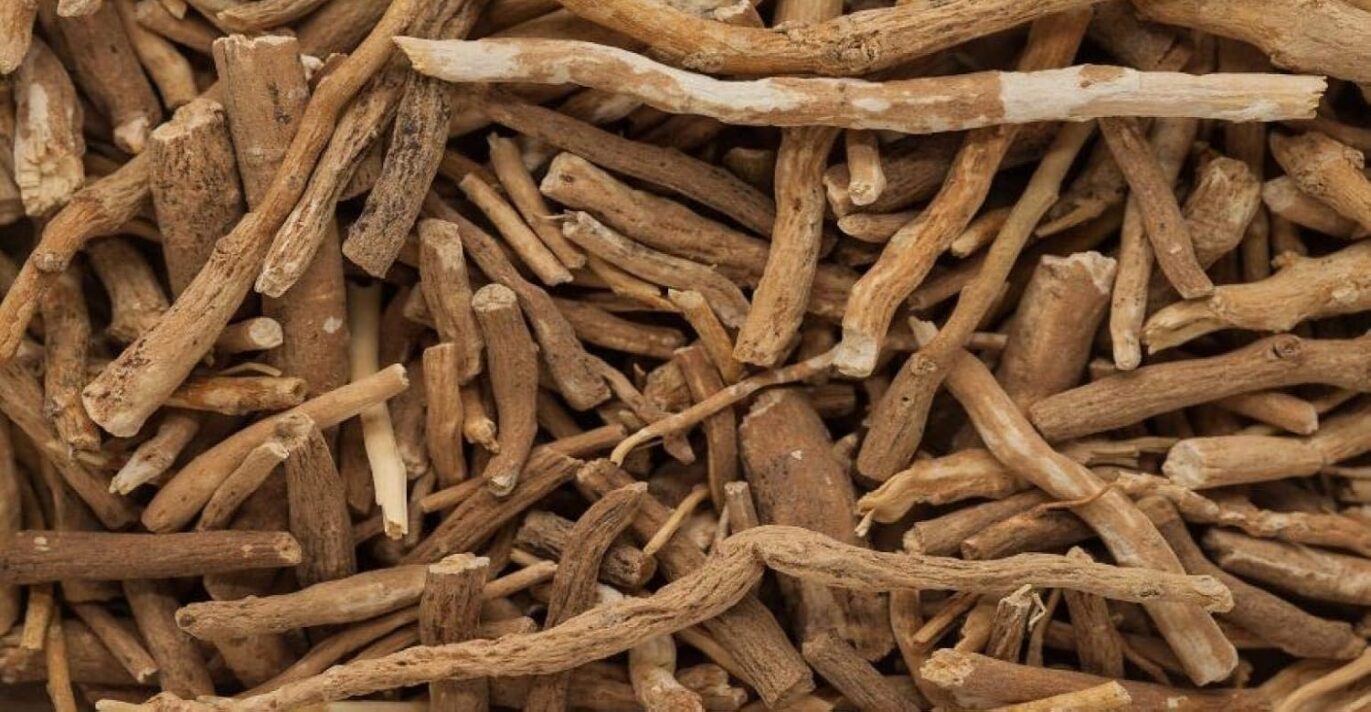
Ashwagandha (Withania somnifera) is a small shrub native to India, North Africa, and the Middle East. Its root and leaves have been used in Ayurvedic medicine, the traditional healing system of India, for over 3,000 years.
The name ashwagandha comes from Sanskrit: Ashwa meaning horse, and Gandha means smell. It is said to give you the strength and vitality of a horse. Whether or not that is literally true, the root does have a distinctive earthy odor that you will notice immediately.
In modern herbalism, Ashwagandha is classified as an adaptogen, a herb that helps the body adapt to physical and mental stress. Other adaptogens include rhodiola, holy basil, and ginseng. What makes Ashwagandha stand out is the volume and quality of research supporting its benefits.
What Does Ashwagandha Actually Do?
1. Reduces cortisol and stress
This is Ashwagandha’s most well-documented benefit. Cortisol is your primary stress hormone released when your body perceives a threat, real or imagined. In modern life, cortisol can stay chronically elevated due to work stress, poor sleep, and lifestyle factors, contributing to anxiety, weight gain, and burnout.
A double-blind, placebo-controlled study published in the Indian Journal of Psychological Medicine found that participants taking ashwagandha root extract experienced a 28 percent reduction in cortisol levels compared to placebo. They also reported significantly lower stress and anxiety scores.
2. Improves sleep quality
Ashwagandha contains compounds called withanolides, and one in particular, triethylene glycol, has been shown to promote sleep. A study in PLOS ONE found that participants who took ashwagandha root extract for 10 weeks experienced significantly improved sleep quality, sleep onset, and morning alertness compared to placebo.
3. Supports energy and physical performance
Several studies have found that Ashwagandha can improve cardiorespiratory endurance and muscular strength. A study in the Journal of the International Society of Sports Nutrition found that participants taking Ashwagandha showed significantly greater increases in muscle strength and recovery compared to placebo.
4. May reduce anxiety
A 2019 study in Medicine found that 240mg of ashwagandha extract per day significantly reduced anxiety and morning cortisol levels in adults with chronic stress. Multiple other studies have found similar results, making it one of the most evidence-supported herbs for anxiety management.
5. Supports thyroid and hormonal health
Some research suggests Ashwagandha may support thyroid hormone levels, particularly in people with subclinical hypothyroidism. It has also been studied for its effects on testosterone and fertility in men. While more research is needed in these areas, early results are promising.
What Form Should You Take It In?
Ashwagandha comes in several forms, and the form you choose matters more than most people realize.
KSM-66 (root extract)
This is the most researched and highest quality form of Ashwagandha. KSM-66 is a full-spectrum root extract standardized to contain a minimum of 5 percent withanolides. Most of the clinical studies cited above used KSM-66 or a comparable root extract. Look for this on the label.
Sensoril (root and leaf extract)
Another well-researched patented extract, Sensoril is standardized to contain 10 percent withanolides. It tends to be more sedating than KSM-66, making it a better choice for sleep support specifically.
Standard ashwagandha powder
Less processed but also less standardized. Potency can vary significantly between products. If you choose powder, buy from a reputable brand that provides third-party testing.
What to avoid
Avoid products that do not disclose the form or standardization of their Ashwagandha, list Ashwagandha as a proprietary blend without dosage information, or cannot provide third-party testing certificates.
Ashwagandha Dosage Guide
- For stress and anxiety: 300 to 600mg of KSM-66 or equivalent root extract daily
- For sleep: 300mg of Sensoril or KSM-66 taken 30 to 60 minutes before bed
- For energy and performance: 600mg daily, split into morning and afternoon doses
- For general wellness: 300mg daily is a good starting point
Most studies use doses in the 300mg to 600mg range. Higher is not necessarily better; start low and increase slowly.
When and How to Take Ashwagandha
- Take with food to reduce the chance of stomach upset
- For stress: morning or afternoon works well
- For sleep: 30 to 60 minutes before bed
- Give it 4 to 8 weeks of consistent use before assessing the effects
- Many practitioners suggest cycling 8 to 12 weeks on, 4 weeks off
Who Should Avoid Ashwagandha?
Ashwagandha is not appropriate for everyone. Avoid it or consult your doctor first if you:
- Are pregnant or breastfeeding
- Have an autoimmune condition such as lupus, rheumatoid arthritis, or Hashimoto’s
- Have hyperthyroidism; Ashwagandha may stimulate thyroid function
- Are scheduled for surgery within two weeks; it may interact with anesthesia
- Are taking sedative medications, thyroid medications, or immunosuppressants
The Bottom Line
Ashwagandha is one of the most well-researched adaptogens available. The evidence supporting its benefits for stress, cortisol reduction, sleep quality, and physical performance is genuinely solid not hype.
If you are navigating chronic stress, poor sleep, or low energy, it is worth serious consideration. Choose a quality form like KSM-66, start at 300mg, give it 6 to 8 weeks, and pay attention to how you feel.
One herb, one month. That is all it takes to find out if it works for you.
Root yourself in better health. 🌿
Disclaimer: This content is for informational and educational purposes only. It is not intended as medical advice. Always consult a qualified healthcare professional before starting any new supplement or herbal remedy, especially if you are pregnant, nursing, or taking medication.