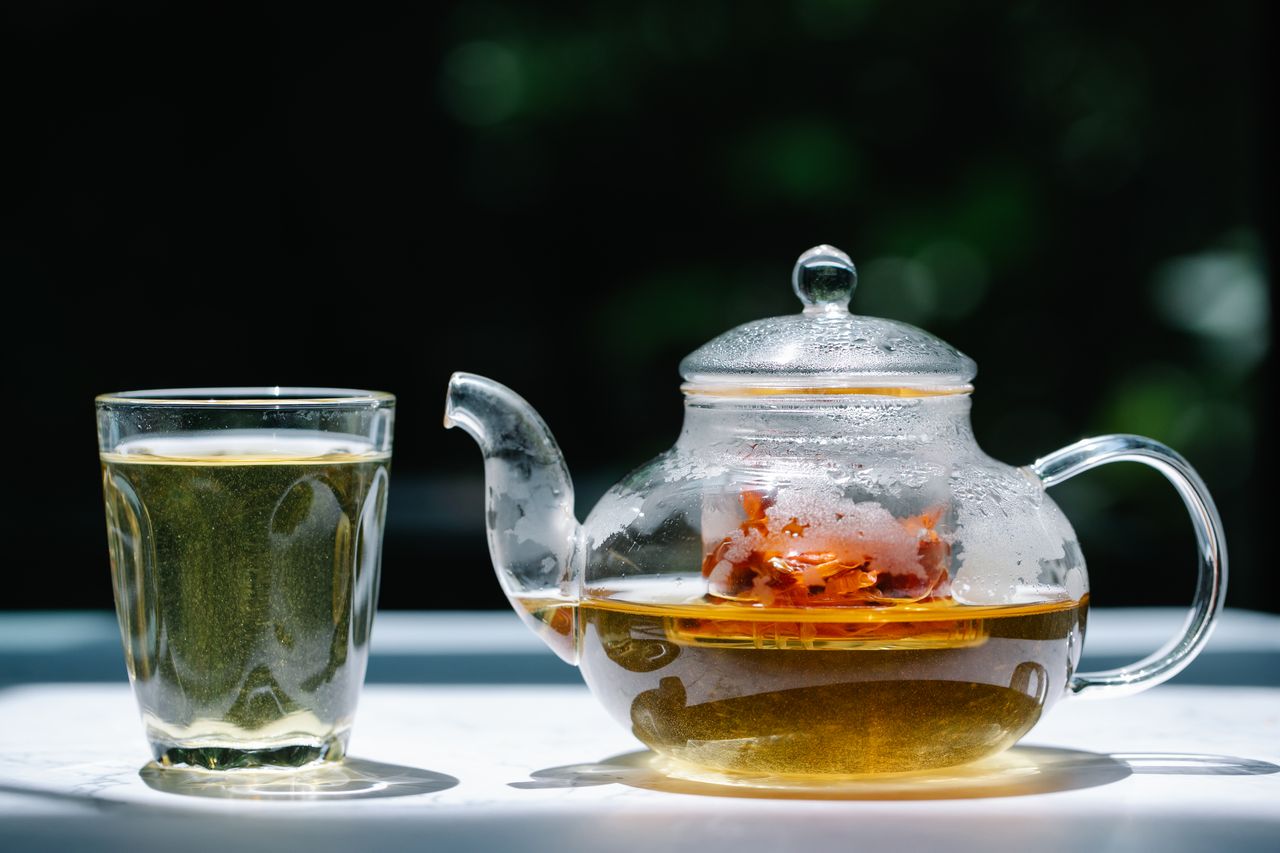
3 Herbal Teas That Actually Help You Sleep (Backed by Research)
Introduction
You have done everything right. You turned off your phone. You dimmed the lights. You even counted your breathing. And yet there you are, staring at the ceiling at midnight, mind racing, wondering why sleep feels harder than it used to.
You are not alone. Millions of adults over 30 report that sleep quality declines with age, stress, and the general weight of modern life. And while melatonin supplements have become the go-to solution, they are not the only option, and for many people, they are not even the best one.
Herbal teas have been used for centuries to support relaxation and sleep. And unlike melatonin, which directly influences your sleep hormone, these herbs work more gently, calming the nervous system, reducing anxiety, and helping your body ease into rest naturally.
Here are three that have the science to back them up.
1. Valerian Root Tea: The Heavy Hitter
What it is: Valerian (Valeriana officinalis) is a flowering plant native to Europe and Asia. Its root has been used as a sleep aid since ancient Greek and Roman times, and modern research is starting to explain why it works.
What the research says: Multiple studies have found that valerian root can reduce the time it takes to fall asleep and improve overall sleep quality. A 2006 meta-analysis published in the American Journal of Medicine reviewed 16 studies and found that valerian may improve sleep quality without producing side effects. Researchers believe it works by increasing levels of GABA, a calming neurotransmitter in the brain.
How valerian helps with sleep:
- Reduces the time it takes to fall asleep
- Improves deep sleep quality
- Reduces nighttime waking
- May ease anxiety that keeps you awake
How to use it: Brew 1 teaspoon of dried valerian root in hot water for 10 to 15 minutes. Drink 30 to 45 minutes before bed. Valerian takes time to work; some studies suggest the benefits increase after two to four weeks of consistent use.
Honest note: Valerian root has a strong, earthy smell that some people find unpleasant. Blending it with lemon balm or chamomile makes it much more enjoyable. It can also interact with sedative medications, so speak with your doctor if you are taking anything in that category.
2. Passionflower Tea: The Quiet Mind Herb
What it is: Passionflower (Passiflora incarnata) is a climbing vine with striking purple flowers. It has long been used in folk medicine across North and South America as a remedy for anxiety, restlessness, and insomnia.
What the research says: A study published in Phytotherapy Research found that adults who drank passionflower tea for one week reported significantly better sleep quality compared to those who drank a placebo tea. Passionflower appears to work similarly to valerian by boosting GABA activity in the brain, which quiets mental chatter and promotes a sense of calm.
Passionflower is particularly helpful if:
- Racing thoughts keep you from falling asleep
- Anxiety is the root cause of your sleep issues
- You wake up frequently through the night
- You want something milder than valerian
How to use it: Steep 1 to 2 teaspoons of dried passionflower in hot water for 10 minutes. Drink one cup 30 to 60 minutes before bed. It has a mild, grassy flavor that pairs well with honey or a squeeze of lemon.
Honest note: Passionflower is generally well tolerated but should be avoided during pregnancy. As with any herb, check with your doctor if you are on prescription medications.
3. Lemon Balm Tea: The Everyday Wind-Down
What it is: Lemon balm (Melissa officinalis) is a lemon-scented herb from the mint family. It is one of the most approachable and widely available sleep-supporting herbs and one of the easiest to incorporate into a nightly routine.
What the research says: Research suggests lemon balm can significantly reduce anxiety and insomnia. A study in Nutrients found that lemon balm extract reduced anxiety symptoms by 18 percent and insomnia by 42 percent in participants. It works by inhibiting an enzyme that breaks down GABA, effectively helping your brain stay calmer for longer.
Why lemon balm stands out:
- Mild enough to drink every evening without building a tolerance
- Reduces stress and anxiety without causing drowsiness during the day
- Pairs beautifully with chamomile, valerian, or passionflower
- Pleasant citrus flavor, one of the most enjoyable herbal teas
- Easy to find in most health food stores and online
How to use it: Brew 1 to 2 teaspoons of dried lemon balm leaves in hot water for 5 to 10 minutes. You can drink it in the early evening to start unwinding, or right before bed as part of a sleep ritual. It is gentle enough for nightly use.
Bonus: The Sleep Tea Blend
If you want to combine all three into one powerful cup, here is a simple blend to try:
- 1 teaspoon dried lemon balm
- 1 teaspoon dried passionflower
- Half teaspoon dried valerian root
- Optional: a pinch of chamomile for extra calm
Steep together in hot water for 10 to 12 minutes, add honey to taste, and drink 45 minutes before bed. This blend covers multiple pathways, calming anxiety, quieting the mind, and supporting deeper sleep.
Tips for Getting the Most from Herbal Sleep Teas
- Drink your tea at the same time each evening to build a sleep ritual your body recognizes
- Dim your lights while drinking; the ritual matters as much as the herbs
- Give any herb at least two to four weeks of consistent use before judging its effectiveness
- Quality matters; buy from reputable brands that use organic herbs and third-party testing
- Store dried herbs in airtight containers away from heat and light
The Bottom Line
Sleep struggles are incredibly common after 30, and herbal teas are one of the gentlest, most accessible tools you have available. Valerian for deep sleep, passionflower for a quiet mind, and lemon balm for everyday winding down. Try one, try all three, or blend them together.
The key is consistency. Make it a ritual. Give your body the signal that it is time to rest and let the herbs do the rest of the work.
Root yourself in better sleep.
Disclaimer: This content is for informational and educational purposes only. It is not intended as medical advice. Always consult a qualified healthcare professional before starting any new supplement or herbal remedy, especially if you are pregnant, nursing, or taking medication.