How to Read a Supplement Label: Everything You Need to Know
Introduction
The supplement industry is largely unregulated in most countries. Unlike pharmaceutical drugs, herbal supplements do not need to prove they are effective or safe before going to market. The result is a market full of products that range from genuinely excellent to essentially useless, and the label is your primary tool for telling them apart.
Most people glance at the front of the bottle, read a few bullet points, and make a decision. This guide will show you how to read the entire label, including the parts most people skip, so you can buy supplements with confidence.
Section 1: The Supplement Facts Panel
This is the equivalent of the nutrition facts panel on food. It is where the actual content information lives.
Serving size and servings per container
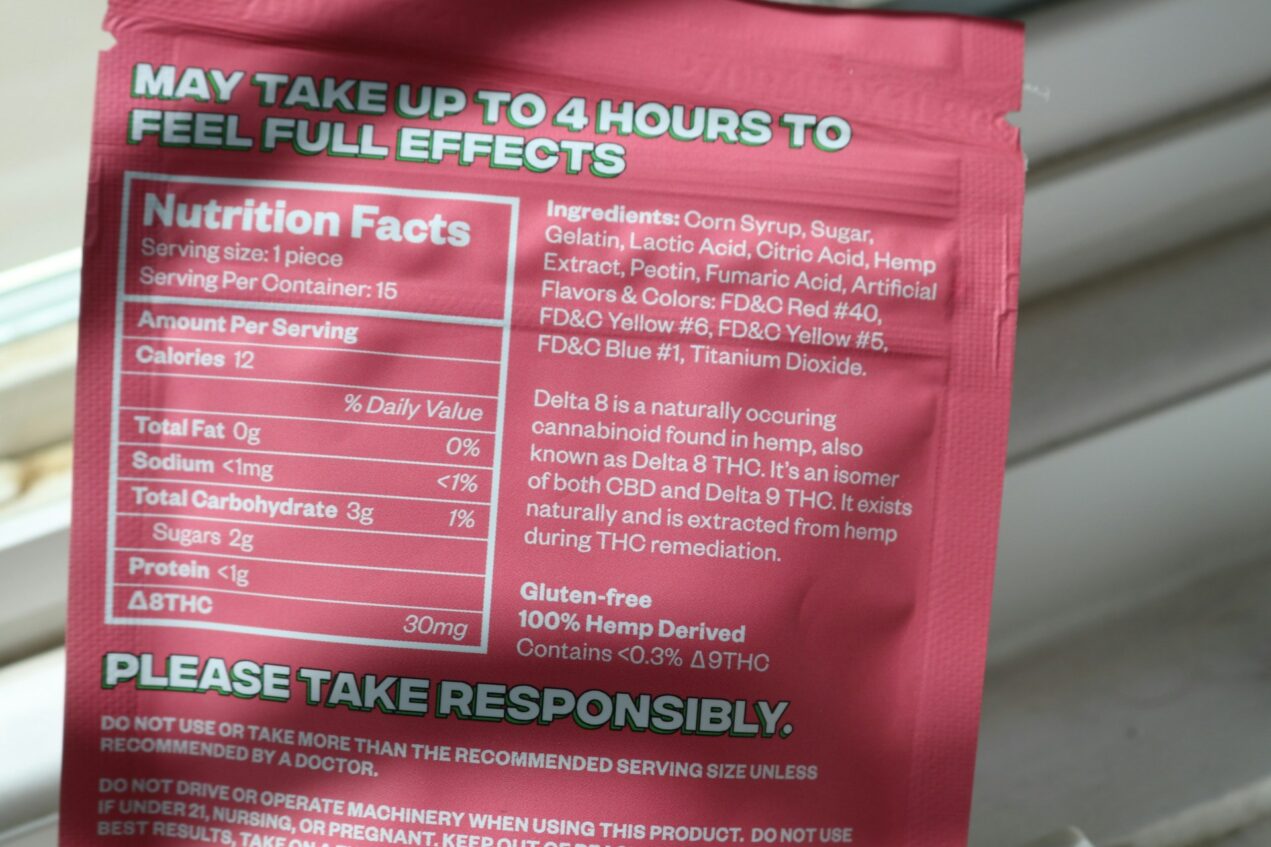
Always check this first. A supplement might list an impressive dose on the front of the bottle, but if the serving size is three capsules and the bottle contains 30 servings, you have 90 capsules, which is a one-month supply. If you take one capsule per day thinking that is the serving, you are getting a third of the intended dose.
Amount per serving
This tells you how much of each ingredient is in one serving. Compare this to the clinically researched dose for that ingredient. For example, if the clinically studied dose of ashwagandha is 300 to 600mg, and the supplement contains 100mg per serving, you are getting significantly less than what the research used.
Percent daily value
The percentage of the recommended daily intake provided by one serving. Useful for vitamins and minerals, less relevant for herbs, which do not have established daily values.
Section 2: The Ingredient List: What to Look for and Avoid
Standardized extracts vs whole herb
A standardized extract means the product has been processed to guarantee a specific percentage of the active compound. For example, a Bacopa extract standardized to 45 percent bacosides guarantees you are getting a meaningful amount of the active ingredient. Whole herb powders have no such guarantee; potency can vary dramatically.
Look for standardization percentages on the label. If a herbal supplement does not mention standardization, it is often a lower-quality product.
Proprietary blends the biggest red flag
A proprietary blend is a group of ingredients listed together with a combined total weight, but without individual ingredient weights. For example: Stress Support Blend (ashwagandha, rhodiola, holy basil) 500mg.
The problem: you have no idea how much of each ingredient you are actually getting. The manufacturer could use 490mg of the cheapest ingredient and 5mg each of the others, and you would never know. Individual ingredient weights are legally not required in proprietary blends in the US and many other markets.
Avoid proprietary blends wherever possible. Reputable companies list individual ingredient amounts.
Other ingredients
Below the supplement facts panel, you will find a list of inactive ingredients, things like fillers, binders, capsule material, and preservatives. Look out for:
- Magnesium stearate: a common flow agent, generally safe in small amounts
- Silicon dioxide: an anti-caking agent, generally safe
- Artificial colors or flavors: unnecessary in a quality supplement
- Titanium dioxide: A whitening agent that is associated with health concerns when taken in high doses; should be avoided.
- Hydrogenated oils: unnecessary and potentially harmful
Section 3: Quality Certifications to Look For
NSF International: Tests for label accuracy, contaminants, and manufacturing quality. One of the most rigorous third-party certifiers.
USP (United States Pharmacopeia): Verifies that the supplement contains what the label says in the stated amounts.
Informed Sport / Informed Protein: Primarily for athletes, but indicates rigorous testing for banned substances and contaminants.
ConsumerLab: An independent testing organization that regularly tests supplements for accuracy and purity.
A supplement without any third-party certification is not necessarily bad, but one with certification gives you significantly more confidence.
Section 4: The Front of the Bottle Claims
In most markets, supplement labels cannot legally claim to treat, cure, or prevent any disease. What they can claim are structure-function claims, statements about how the supplement may support normal body function.
Legal: Supports healthy immune function. Illegal: Cures the common cold.
If a supplement makes disease claims on the label claiming to cure, treat, or prevent a specific condition, that is a regulatory violation and a red flag about the manufacturer’s credibility.
A Quick Label Reading Checklist
- Is the serving size reasonable and clearly stated?
- Are individual ingredient amounts listed, not a proprietary blend?
- Are herbal extracts standardized to a specific percentage?
- Is the dose per serving consistent with researched effective doses?
- Is there a third-party testing certification?
- Are the inactive ingredients clean, with no artificial colors or unnecessary additives?
- Are the claims on the front of the label reasonable and legal?
The Bottom Line
Reading a supplement label is a skill, and it is one that will save you money, protect your health, and ensure you are actually getting what you pay for. The most expensive supplement on the shelf is not always the best one. The one with the most impressive claims is often the least trustworthy.
Learn the label. Buy with confidence.
Root yourself in better health. 🌿
Disclaimer: This content is for informational and educational purposes only and does not constitute medical advice. Always consult a qualified healthcare professional before starting any herbal supplement, especially if you are pregnant, nursing, or taking medication.