Build a Stronger Immune System Naturally: The Complete Herbal Strategy
Introduction
The phrase immune boosting has become so overused in wellness marketing that it has almost lost meaning. Here is the truth: you cannot simply boost your immune system like charging a battery. Immune health is a complex, dynamic system, and what it actually needs is balance, consistency, and the right foundations.
The good news is that herbal medicine, combined with smart lifestyle practices, offers some genuinely powerful tools for building immune resilience over time. Not quick fixes, real, sustainable immune health.
This is the complete strategy.
Layer 1: The Non-Negotiable Foundations
Before any herb can do its best work, these foundations need to be in place. No supplement can compensate for their absence.
Sleep: Your immune system does most of its repair and regeneration work during deep sleep. Studies consistently show that people who sleep fewer than six hours per night are four times more likely to catch a cold when exposed to a virus. Seven to nine hours is the target.
Vitamin D: Often called the sunshine vitamin, vitamin D is actually a hormone that directly regulates immune function. Deficiency is extremely common in adults, particularly in northern latitudes, and is strongly associated with increased susceptibility to infection. Get your levels tested and supplement if needed. 1,000 to 4,000 IU daily is typical.
Stress management: Chronic stress suppresses the immune system; cortisol directly inhibits the production and function of immune cells. Managing stress is not optional for immune health.
Gut health: Approximately 70 percent of your immune system lives in your gut. A healthy gut microbiome is foundational to immune resilience. Prioritise fibre-rich foods and consider a quality probiotic.
Layer 2: Daily Immune Foundation Herbs
These herbs are suitable for year-round daily use and build immune resilience over time:
Astragalus
Astragalus (Huang Qi in TCM) is one of the most important tonic herbs in Traditional Chinese Medicine and has impressive evidence for immune modulation. Unlike acute-phase herbs like elderberry, astragalus works best as a long-term tonic, building adaptive immune capacity over months of consistent use.
Studies show it increases the production of T-cells and natural killer cells, enhances interferon production, and has antiviral properties. Take 500 to 1,500mg of a standardized extract daily as a long-term foundation.
Reishi Mushroom
Reishi (Ganoderma lucidum) is known as the mushroom of immortality in Asian medicine, an honorific it has earned through thousands of years of use and a growing body of modern research. Its beta-glucan polysaccharides are powerful immune modulators that help the immune system respond more effectively without over-activating.
Reishi is particularly valuable for its calming, adaptogenic properties alongside immune support, making it ideal for people whose immune challenges are stress-related. Take 1,000 to 2,000mg of a dual-extract product daily.
Turkey Tail Mushroom
Turkey tail (Trametes versicolor) contains two well-studied polysaccharides, PSK and PSP, that have been shown to support immune function. It is one of the most extensively researched medicinal mushrooms and is actually used as an approved adjunct cancer therapy in Japan and China.
For general immune support, 500 to 1,500mg of a standardized extract daily is appropriate.
Layer 3: Seasonal and Acute Support
Use these herbs during higher-risk periods, such as cold and flu season, or at the first sign of illness:
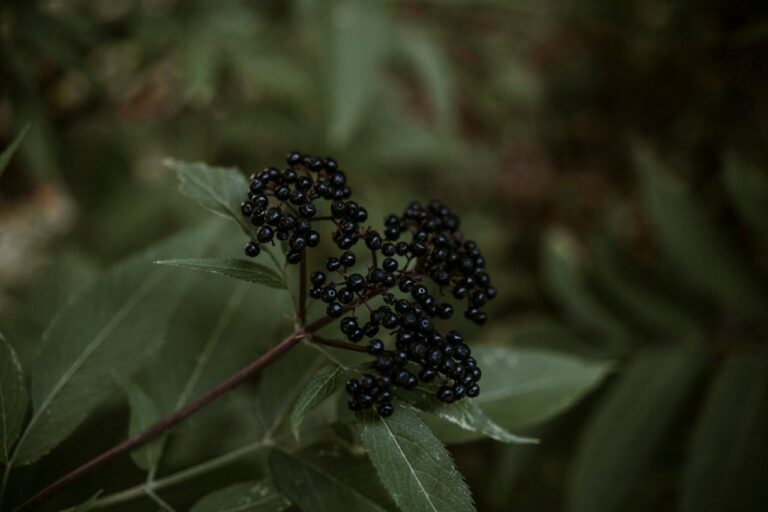
Elderberry
As covered in our elderberry guide, this is the most evidence-backed herb for reducing the duration and severity of colds and flu. Take at the first sign of illness: 600 to 1,200mg of standardized extract daily until recovered.
Echinacea
Echinacea has the most inconsistent evidence among the common immune herbs; results vary significantly depending on the species, preparation, and duration of use. The most research-supported form is Echinacea purpurea whole plant extract. Use for short periods (7 to 10 days maximum) at the onset of illness, not as a daily supplement. People with autoimmune conditions should avoid it.
Oregano Oil
Oregano oil contains carvacrol and thymol compounds with potent antimicrobial and antiviral properties. It is particularly useful for acute upper respiratory infections. Take 150 to 300mg of standardized extract or 2 to 3 drops of food-grade oil diluted in water. Not for long-term daily use.
Garlic
Garlic has genuine antimicrobial properties and a reasonable evidence base for immune support. Allicin, the active compound, is produced when raw garlic is crushed or chopped and allowed to sit for 10 minutes. Supplementally, aged black garlic extract or allicin standardized capsules are more reliable than raw garlic alone.
A Simple Immune Support Protocol
Daily year-round: Astragalus 1,000mg + Reishi 1,000mg + Vitamin D 2,000IU + quality probiotic
October to March (prevention): Add elderberry 300mg daily and increase Vitamin D to 3,000 to 4,000IU
At first sign of illness: Elderberry 600mg 4x daily + Echinacea purpurea 500mg 3x daily + oregano oil 150mg 2x daily. Continue for 7 to 10 days.
The Bottom Line
Strong immune health is built in layers: foundational lifestyle practices, daily tonic herbs, and smart seasonal and acute protocols. No single herb or supplement can replace the foundations of sleep, stress management, and gut health. But with those in place, astragalus, reishi, elderberry, and their allies can make a meaningful difference to how robust your immune system is through every season.
Start with the foundations. Build from there.
Root yourself in better health. 🌿
Disclaimer: This content is for informational and educational purposes only and does not constitute medical advice. Always consult a qualified healthcare professional before starting any herbal supplement, especially if you are pregnant, nursing, or taking medication.