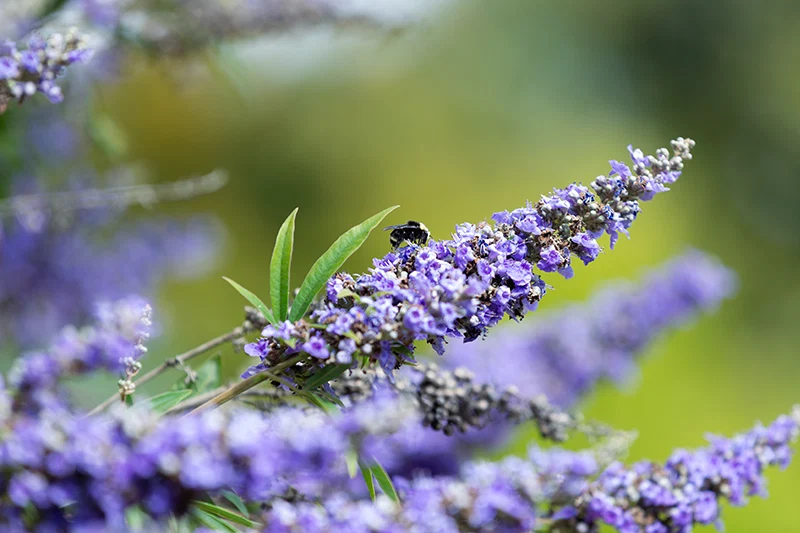
Vitex (Chaste Tree Berry): The Herb for Hormonal Balance After 30
Introduction
If you have been exploring herbal solutions for hormonal imbalances, PMS, irregular cycles, perimenopause symptoms, or low progesterone, chances are you have come across Vitex. Also known as chaste tree berry or chasteberry, it is one of the most widely used and researched herbs in the world for female hormonal health.
It is also one of the most misunderstood. Let us clear up the confusion.
What Is Vitex?
Vitex agnus-castus is a shrub native to the Mediterranean and Central Asia. Its berries have been used medicinally for over 2,000 years, initially by monks to reduce libido (hence the name chaste tree) and later by herbalists to support women’s reproductive health.
In modern herbal medicine, Vitex is primarily used for PMS, menstrual irregularity, luteal phase defects (short second half of the cycle), low progesterone, and perimenopausal symptoms.
How Does Vitex Work?
This is where it gets interesting and where most supplement descriptions get it wrong.
Vitex does not contain hormones. It does not directly raise or lower estrogen or progesterone. Instead, it acts on the pituitary gland, the master hormone gland, by binding to dopamine receptors. This action reduces prolactin secretion.
High prolactin suppresses the production of FSH and LH, the hormones that trigger ovulation and stimulate progesterone production in the luteal phase. By reducing prolactin, Vitex indirectly supports the conditions needed for healthy progesterone production and more regular ovulation.
In simpler terms: Vitex helps your body’s own hormonal system work better. It is a regulator, not a replacement.
What Vitex Can Help With
PMS and PMDD
Multiple clinical trials have found that Vitex significantly reduces PMS symptoms including breast tenderness, bloating, irritability, mood swings, and headaches. A large German study involving over 1,600 women found that 93 percent of participants reported a decrease in PMS symptoms after three cycles of Vitex use.
Irregular or absent cycles
By supporting healthy prolactin levels and improving luteal phase function, Vitex can help regulate cycles that have become irregular due to stress, hormonal imbalance, or coming off hormonal contraception.
Low progesterone and short luteal phase
Low progesterone in the luteal phase (the second half of the cycle) can cause spotting before periods, short cycles, difficulty conceiving, and severe PMS. Vitex is one of the most commonly recommended herbal interventions for this pattern.
Perimenopausal symptoms
As ovarian function changes in perimenopause, hormonal fluctuations can cause irregular periods, mood changes, sleep disruption, and hot flushes. Some women find Vitex helpful for managing this transition, though evidence is more mixed at this stage and individual responses vary.
How Long Does Vitex Take to Work?
This is critical: Vitex is not a quick fix. It works through the hormonal system, which operates on a monthly cycle. Most research suggests a minimum of three months of consistent daily use before meaningful changes are apparent. Some women need 6 to 12 months.
Do not judge Vitex by how you feel after two weeks. Give it a full three cycles.
Vitex Dosage
- Standard dose: 20 to 40mg of a standardized dry extract (0.5 percent agnusides) daily
- Or 400mg of whole berry extract daily
- Take in the morning on an empty stomach this is important for pituitary effects
- Take continuously daily do not cycle with your menstrual phase
Who Should Not Take Vitex?
- Women taking hormonal contraception Vitex may interfere with its effectiveness
- Women taking dopamine-related medications Vitex acts on dopamine receptors
- Pregnant women: avoid during pregnancy
- Women with hormone-sensitive conditions such as endometriosis or certain cancers should consult their doctor
- Men Vitex may reduce testosterone and libido
The Bottom Line
Vitex is one of the most evidence-supported herbs for female hormonal health, but it requires patience, consistency, and realistic expectations. It is not a hormone; it is a hormonal regulator. Give it three to six months, choose a quality standardized extract, and track your cycle changes carefully to assess its effects.
For many women, it has been genuinely life-changing. For others, it is not the right fit. The key is approaching it with knowledge, not just hope.
Root yourself in better health. 🌿
Disclaimer: This content is for informational and educational purposes only and does not constitute medical advice. Always consult a qualified healthcare professional before starting any herbal supplement, especially if you are pregnant, nursing, or taking medication
